
BRANCHING OPPORTUNITIES
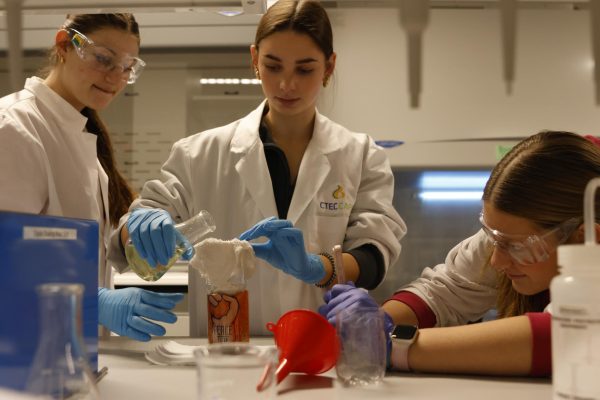
The opening of the Cedar Trails Exploration Center (CTEC) five years ago has allowed students at both the school and De Soto to have the opportunity to explore careers in the emerging technologies, design and bioscience fields. Of these three strands, the bioscience strand is particularly unique.
This strand gives students interested in a variety of different fields, from nursing to pharmacy, the opportunity to learn basic bioscience concepts, how to use lab equipment and collaboration.
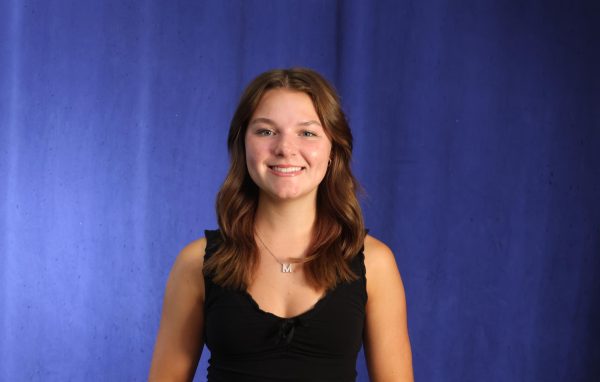
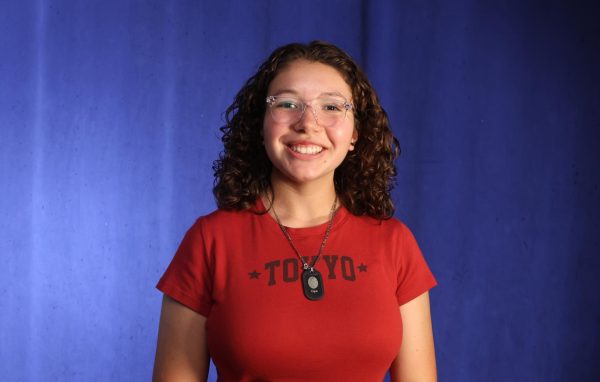
An important aspect of the bioscience strand is that it can help students decide what they want to do in the future. For junior Macie Hansen the class has already helped her narrow down what she wants to do.
“[The class] has taught me that I definitely struggle with lab work and research based stuff more than directly working with someone,” Hansen said. “[Now] I definitely know that I want to work in patient care. It also showed me what my strengths are and how I [should] work to improve.”
While students discover the different fields they might want to go into, they also learn useful traits that can benefit them in the future, according to bioscience teacher Millie Laughlin.
“The kids that come here develop really positive relationships at the same time that they’re building skills,” Laughlin said. “They’re working hands on in the lab most of the time, and if [they’re] the type of student [where] they really like to build relationships, work together to problem solve and hands on work, this is the place for them.”
BIOSCIENCE BASICS
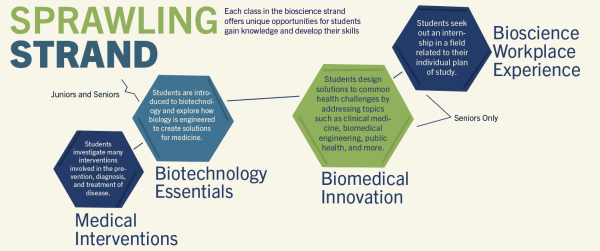
Unlike other strands at CTEC, which have a variety of different classes under their umbrella, the bioscience strand has essentially only two classes: a first and second year class.
Students who are in their first year take both Biotechnology Essentials and Medical Interventions. Biotechnology Essentials teaches students the basics of bioscience, how to use the equipment in the lab and allows them to explore the different career options available in the field.
This is where Laughlin sees students learn the bulk of new information in the class, and it is especially important for gaining the skills they will use later.
“That course really runs students through our lab and allows them to master all of the equipment in it,” Laughlin said. “They gain confidence in that lab through Biotechnology Essentials.”
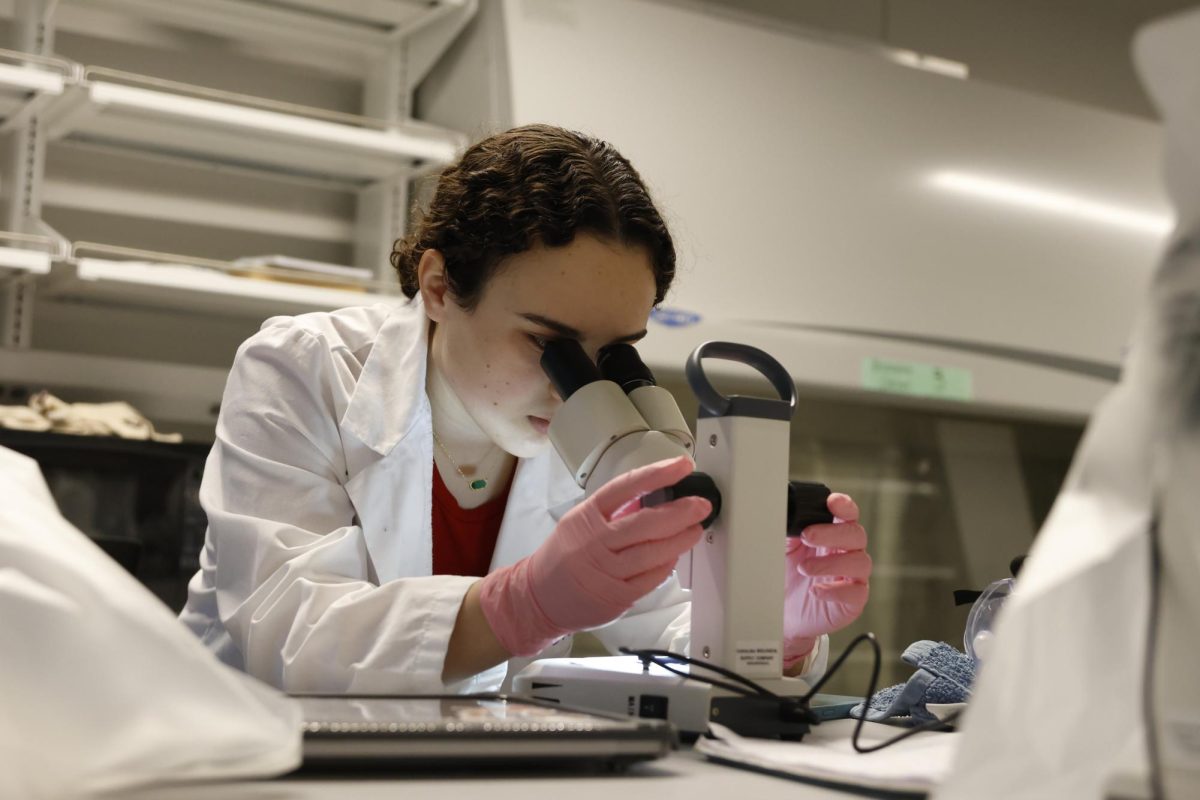
The Medical Interventions class, which students take at the same time as Biotechnology Essentials, gives them the opportunity to work with a fake patient and help diagnose and treat them.
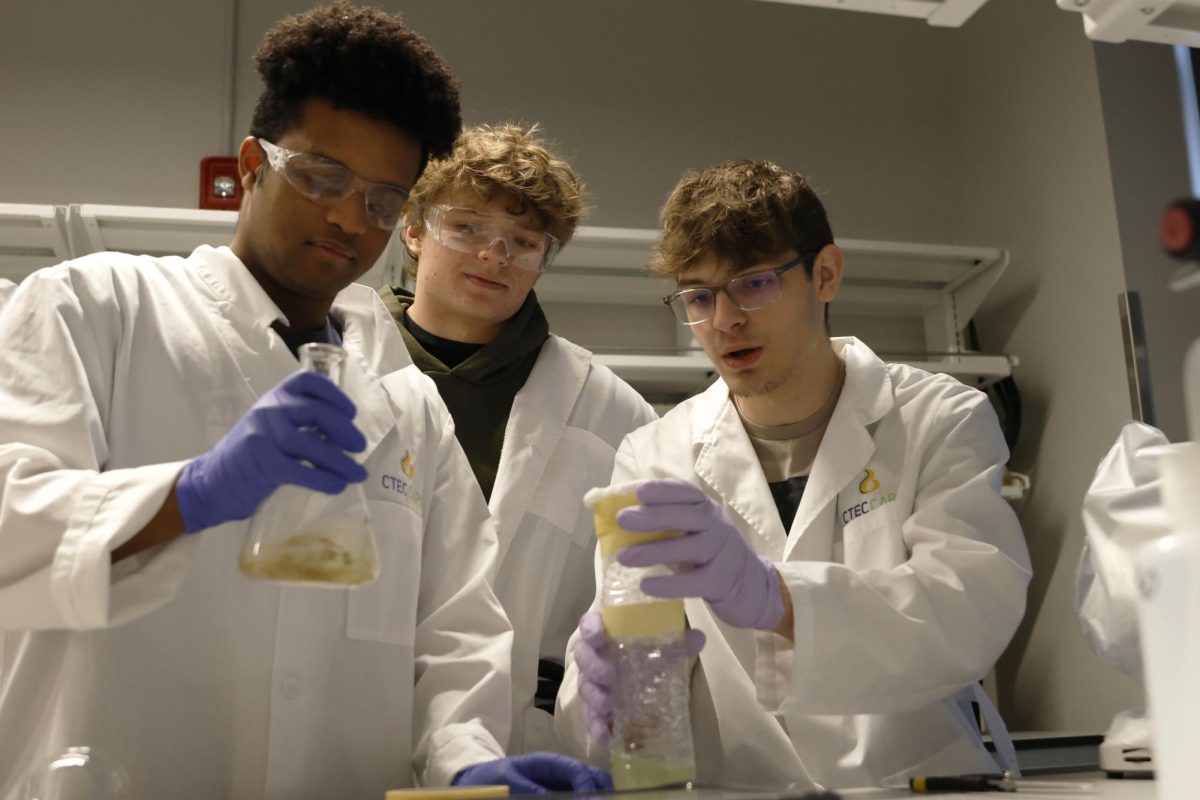
At first the classes cover the basics, but after that students spend most of their time in the lab. Junior Levi Schaffer enjoys this aspect because it gives him the opportunity to apply the skills they are learning.
“Every single day we do a lab in Biotechnology Essentials, we get a very basic outline and have to figure out how to solve whatever problem we’re given that day using the materials in the lab,” Schaffer said. “The first semester was a lot more learning what everything in the lab does, and this semester is just projects and figuring out how to use [the equipment] to actually solve the problem.”
On a similar note, Hansen feels the environment is very different from a traditional classroom which can benefit students in the future.
“It’s a lot more hands on, and you get a lot more workplace experience,” Hansen said. “Our lab is a lot like a lab that you would see in the workplace. Obviously, you still have classes and take notes, but it’s a lot more hands on and do it yourself.”
Schaffer believes another benefit of the class is that it gives students the opportunity to be successful while bolstering their independence.
“It’s a lot more student focused,” Schaffer said. “If I want to excel in the class, I can stay after for as long as I want andI can work on what I need. The teacher is more there to assist rather than actually teach. There are some days where we get lectured, but most of the time it’s just she’ll tell us one little thing, show us how to do something and then we have to figure it out.”
BEYOND THE CLASSROOM
After taking the first year class as juniors, seniors have the opportunity to take the second year class, which includes Biomedical Innovations and Bioscience Workplace Experience.
In these two classes, students spend the first semester working in the lab and visiting different departments at Advent Health Hospital, located in Overland Park, to help prepare them for an internship during their second semester.
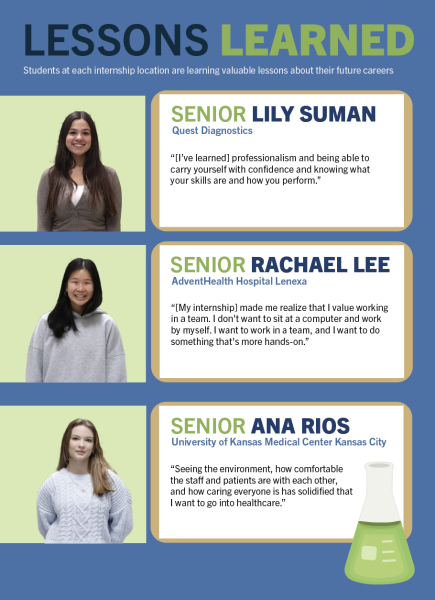
Senior Ana Rios has just started her internship at the University of Kansas Medical Center, where she was placed because of her experience at Advent Health Hospital. Rios has already seen her internship ignite a further passion for the work she aims to do.
“The thing I enjoy the most is patient interaction,” Rios said. “I am on a unit that is primarily patient care for people with cystic fibrosis, so it’s a lot of long term patient care. Seeing the environment, and how comfortable the staff and patients are with each other, and how caring everyone is has really solidified that I want to go into healthcare.”
On the other hand, senior Rachael Lee’s internship has already taught her what she does and does not want to do in the future.
“Being in my internship made me realize I don’t want to do pharmacy, it shows what the real world is actually like and how that’s different than what you’d expect, reading online or doing a class,” Lee said. “In the CTEC class, doing hands on stuff made me realize ‘Oh, this is interesting.’”
Rios thinks the fact that students get the opportunity to explore different career paths through internships can be extremely valuable and sets them apart from other students.
“I think the internship really helps you solidify that you’re doing something that you want to be doing, so you’re not just deciding to go into a field blind that you don’t really know much about,” Rios said. “It puts you directly in the line of work that you want to be in.”
BUILDING THE BEST
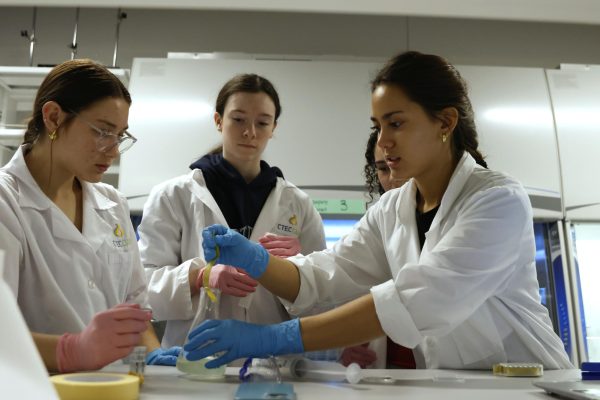
The bioscience strand offers a special opportunity for students. The resources and experiences available are unlike those of other districts and gives students the chance to get a step ahead of other high schoolers.
To Laughlin, the building’s resources are the aspect of the bioscience strand that most contributes to preparing students for their future careers.
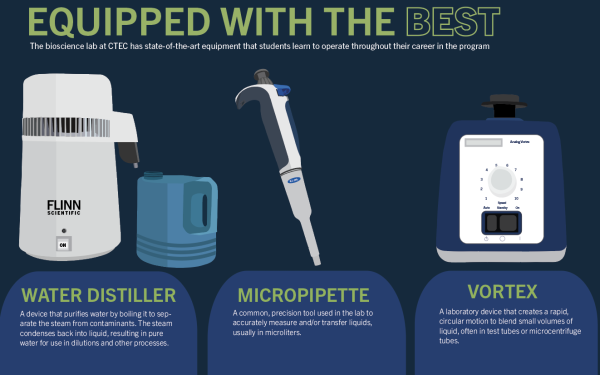
“I’ve taught in other districts, and you do the best with what you have, but here we have the best,” Laughlin said. “Students are getting experience with equipment that’s used in common industries around the world, and so [they are] not only getting the experience of using that equipment, which is putting them ahead of other high school students, but [are learning important lessons through] the ethics and problem solving that goes into some of the decisions they make in that lab setting.”
Hansen agrees that the experience and knowledge gained at CTEC will benefit her going into the rest of her career.
“Biotech is a lot more lab research based, and I feel like no other [Center for Professional Developement] program offers lab workplace experience or has much of a real lab setting,” Hansen said. “I think it’s great that we’re given that opportunity to work in such a realistic place and it gives us a lot of opportunities to gain experience.”
Laughlin believes the program and its materials have created a culture of success that is important for the future of the field.
“The environment that we have here [is] unique,” Laughlin said. “I have not experienced it anywhere else in my 33 years, and I feel so lucky to have been able to work here. I really feel this is the wave of the future. If we want kids to be able to get out there, have confidence and pursue the things that feed their soul, this type of learning environment is a great way to do that.”